Traditional Braces Rockwall
Unmatched Precision in Tooth Alignment
There is a reason orthodontists continue to use traditional braces to straighten patients’ teeth. Their reliability and unmatched precision make even the most complex cases seem easy. No matter if it is crooked teeth that need to be straightened or a debilitating overbite that requires proper realignment, Dr. Bart can customize a treatment plan that will use these metal brackets and wires to deliver the kind of life-changing results you deserve. If you are ready to take the next step, call our office in Rockwall to schedule an appointment today.
Why Choose Rockwall Crossing Orthodontics for Traditional Braces?
- Orthodontist with Decades of Proven Experience
- Long-Standing Team Dedicated to Patients’ Smiles
- We Welcome Your Dental Insurance Plan
Issues Traditional Braces Can Fix
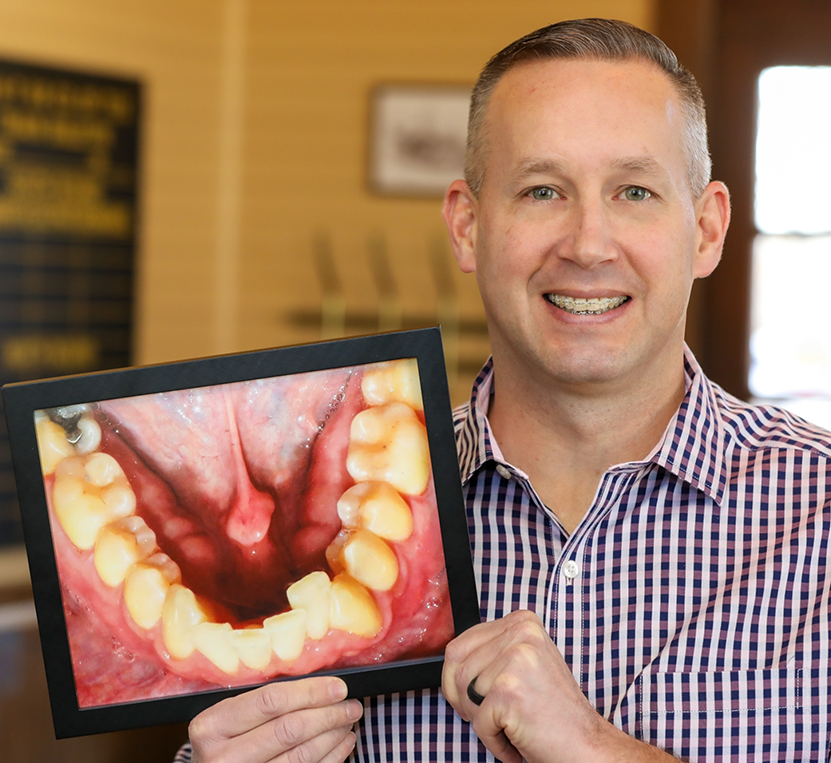
Having crooked teeth in Rockwall can cause you to feel self-conscious in social situations. However, an unsightly appearance is only one of the problems crooked teeth can cause. They not only compromise your smile aesthetics, but they also prevent the full, proper functioning of your mouth. If your top and bottom teeth aren’t aligned when you bite down, you may have trouble speaking and eating comfortably. Crowded teeth can even lead to dental decay.
Fortunately, traditional braces have been used to address these issues for many years due to their durability, affordability, and ability to treat even severe conditions such as crossbite. If your teeth are misaligned, you’ve found the right practice!
Benefits of Traditional Braces

Although there are many orthodontic options available these days, you can expect to receive optimal benefits when choosing traditional braces, such as:
- Economical teeth-straightening option
- Durable construction
- Can be used for complex cases that aligners can't
- Relatively fast application
- Easy transition to straight teeth
Understanding the Cost of Traditional Braces
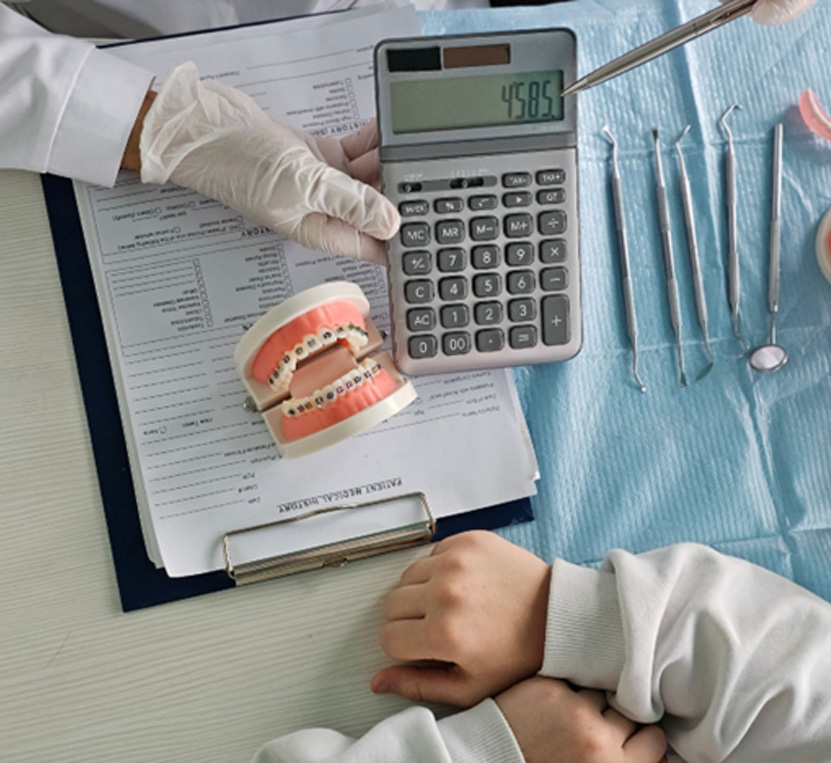
The cost of braces is never exactly the same for every patient. Your smile, bite, and treatment goals are all unique, and that means your price will be, too. At Rockwall Crossing Orthodontics, Dr. Bart will carefully consider every aspect of your treatment before giving you a clear estimate. At the same time, our knowledgeable team will walk you through every detail and discuss your options for financing, so you’ll know what to expect before getting started.
Factors That Affect the Cost of Traditional Braces
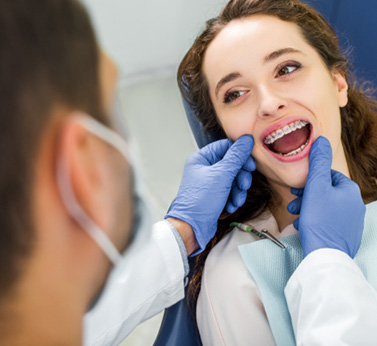
Several important variables can affect the final cost of traditional braces. During your consultation, we’ll explain how each one applies to your case. Here are some of the most common variables we’ll explore:
- Severity of Misalignment: More complex crowding, spacing, or bite problems usually require longer, more involved treatment.
- Length of Treatment: The more months you’re in braces, the more appointments, adjustments, and supplies are needed.
- Your Age: Adult teeth sometimes move more slowly compared to teens because their jawbones are more developed, which can affect both timing and cost.
- Number of Necessary Follow-Up Appointments: Extra visits to fix broken brackets or wires can increase overall fees.
- Other Orthodontic Devices Needed: Expanders, elastics, or specialty appliances add to the total cost of braces.
- Compliance with Treatment Guidelines: Wearing your braces as directed (including any accessories) and caring for them helps avoid delays and extra expenses.
Professional Braces vs. “DIY” Braces: Which Costs More?

In recent years, some DIY orthodontic “hacks” have gained attention, using items like fishing line, paper clips, or rubber bands to move teeth. While they may seem cheap or convenient in the moment, they can seriously damage your gums, tooth roots, and jawbone.
This often leads to pain, infection, and costly corrective treatment later on, so you don’t actually save any time or money in the process—in fact, it can cost you more.
Professional braces in Rockwall are carefully planned, monitored, and adjusted to keep your smile healthy. In the long run, supervised orthodontic care with Dr. Bart is the safest and most reliable way to straighten your teeth.
Does Dental Insurance Cover Braces?
Not every dental insurance policy includes orthodontic benefits, but when they do, they’re often more likely to cover traditional braces than clear aligners. Coverage is more common when braces are needed for medical reasons, such as a misaligned bite or difficulty chewing.
Many plans also have an age cutoff (often around 18), which can make coverage more accessible for teens than for adults.
If your plan includes orthodontic benefits, it may cover a percentage of the cost of braces, often around 50%, up to a lifetime maximum. You may also be able to use a Health Savings Account (HSA) or Flexible Spending Account (FSA) to reduce your out-of-pocket costs.
If you’re unsure, our Rockwall team is happy to review your benefits and help you navigate the process.
Options for Making Braces Affordable

At our Rockwall Office, we never want a price tag to stand between you and a healthy, confident smile. That’s why we offer several flexible payment options. You can finance treatment through trusted platforms, like Proceed Finance, CareCredit, or GreenSky, all of which allow you to break your balance into comfortable monthly payments.
If you’d prefer to work with us directly, we also offer an in-house financing option where you pay 25% down (with the option of splitting it into two payments) and spread the remaining cost of your braces over time. No matter what you decide, our team will help you move forward with confidence.
Traditional Braces FAQs
Do Traditional Braces Hurt?
Let’s start with one of the most asked questions about traditional braces: Do they hurt? To be honest, it is normal to experience some soreness in the hours following the adjustment appointments since that’s when your teeth are moving the most. The good news is that there are several ways you can alleviate any discomfort that surfaces, like rinsing with warm saltwater periodically, using a cold compress for 10 minutes at a time, avoiding crunchy foods, and taking OTC pain medication as directed.
Am I Too Old to Get Braces?
Oftentimes, patients in their 40s, 50s, and 60s, assume that the ship has sailed on having straight teeth. In reality, there is no such thing as being “too old” for braces. So, if you are ready to address a slight open bite, noticeable gaps, or considerable overcrowding, don’t hesitate to schedule an appointment with our team to discuss braces in Rockwall!
What Can You Not Eat with Traditional Braces?
In an effort to prevent common orthodontic emergencies, like broken wires, it’s important to avoid extremely crunchy and sticky foods. A few examples include popcorn, tortilla chips, taffy, and caramel-filled candies. Fortunately, there are far more foods that you can eat. So, you don’t have to worry – you won’t be left eating the same bland, boring meals on repeat on your journey to a straighter smile.
What Happens After You Get Your Braces Off?
Once we’ve aligned your teeth and bite, we will take impressions of your teeth so a custom retainer can be made. This is crucial because your teeth will naturally want to return to their original positions (a phenomenon known as “orthodontic relapse”). Something as simple as wearing your retainer each night while you sleep will dramatically reduce the chances of that happening to you.
How Can I Reduce the Cost of Traditional Braces?
Some dental insurance providers do cover a portion of the cost of traditional braces. So, if you are insured, take a look at the fine print on your plan to see if that’s the case for you. If you don’t have any orthodontic benefits, or you don’t have dental insurance at all, then ask our team at Rockwall Crossing Orthodontics about the other financial solutions we offer. In addition to having an in-house financing option, we work with some of the top third-party financing companies in the industry.
Can You Drink Coffee with Traditional Braces?
Yes, you can drink coffee throughout your orthodontic treatment with traditional braces. Just make sure to use a straw, rinse your mouth thoroughly with water when you’re done, and brush your teeth about 20 minutes later. This is important because some of the surface of your teeth is covered with brackets. So, if you don’t take the necessary precautions, there will be noticeable white spots on your teeth when it comes time to remove your braces.