If you’re getting braces for the first time, it’s completely normal to feel a little nervous. One of the most common questions patients ask is what braces actually feel like—both when they’re put on and during the days that follow. While everyone’s experience is slightly different, knowing what to expect can make the process feel far less intimidating.
The good news is that braces are more comfortable than many people imagine, and most sensations are temporary.
What Braces Feel Like During Placement
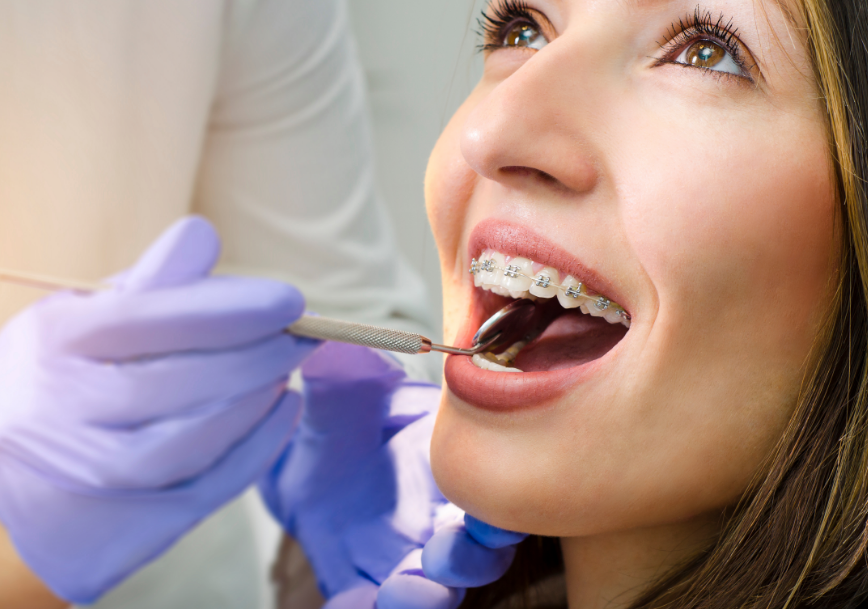
The process of getting braces put on is usually painless. Your orthodontist will clean and dry your teeth, apply brackets, and attach the wires. You may feel some pressure as the wires are placed, but you shouldn’t feel sharp pain.
The appointment can take a bit of time, but the sensations are mild and manageable. Most patients are surprised by how easy the placement itself feels.
The First Few Days with Braces
After the braces are on, your teeth will likely feel sore or tender for a few days. This happens because the braces are applying gentle pressure to begin moving your teeth. The soreness is often described as a dull ache or tight feeling rather than pain.
Eating soft foods during this time can help, and over-the-counter pain relievers may be recommended if needed. For most people, this initial discomfort fades within a week.
How Your Mouth Adjusts
It’s also common for your cheeks, lips, or tongue to feel irritated at first. Your mouth simply isn’t used to having brackets and wires present. Orthodontic wax can be applied to areas that rub or feel sharp, helping protect soft tissues while they toughen up.
As your mouth adjusts, these irritations usually resolve quickly, and many patients forget the braces are even there.
Sensations After Adjustments
Throughout treatment, you’ll have periodic adjustment appointments. After these visits, you may notice temporary soreness similar to what you felt when the braces were first placed. This typically lasts a day or two and is a sign that your teeth are continuing to move as planned.
Each adjustment tends to feel easier than the last as your mouth becomes accustomed to the process.
Talking and Eating with Braces
Some patients notice slight changes in speech during the first few days, especially if braces rub against the tongue. This usually resolves quickly as your mouth adapts.
Eating may take some getting used to as well. Cutting food into smaller pieces and avoiding very hard or sticky items helps reduce discomfort and protect your braces.
The Long-Term Experience
Once the adjustment period passes, braces become part of your normal routine. Most patients find that discomfort is minimal and short-lived, especially compared to the long-term benefits of straighter teeth and a healthier bite.
Understanding what braces feel like can help replace fear with confidence as you start your orthodontic journey.
Braces may feel a little strange at first, but with time and proper care, they become just another step toward a healthier, more confident smile.
About the Practice
Rockwall Crossing Orthodontics provides personalized orthodontic care in a warm, welcoming environment rooted in community values. Led by Dr. Bart Miller, a residency‑trained specialist with more than 20 years of experience helping patients of all ages achieve healthier, more confident smiles, the practice offers treatments including traditional braces and clear aligners. Dr. Miller and his team focus on building lasting relationships, taking time to understand each patient’s goals and creating customized treatment plans. Their office combines modern orthodontic technology with a relaxed, historic setting that reflects the area’s charm, ensuring patients feel comfortable and supported throughout every step of their smile journey.
Call us at (972) 771-1117 or request an appointment online.